The February 2026 tax refund season is now in full progress, and many taxpayers are checking their refund status daily. Early filers are beginning to see updates, and questions about confirmed deposit dates, processing speed, and possible delays are becoming more common. Understanding how the refund system works can help set realistic expectations and reduce unnecessary stress.
What the February Refund Timeline Means
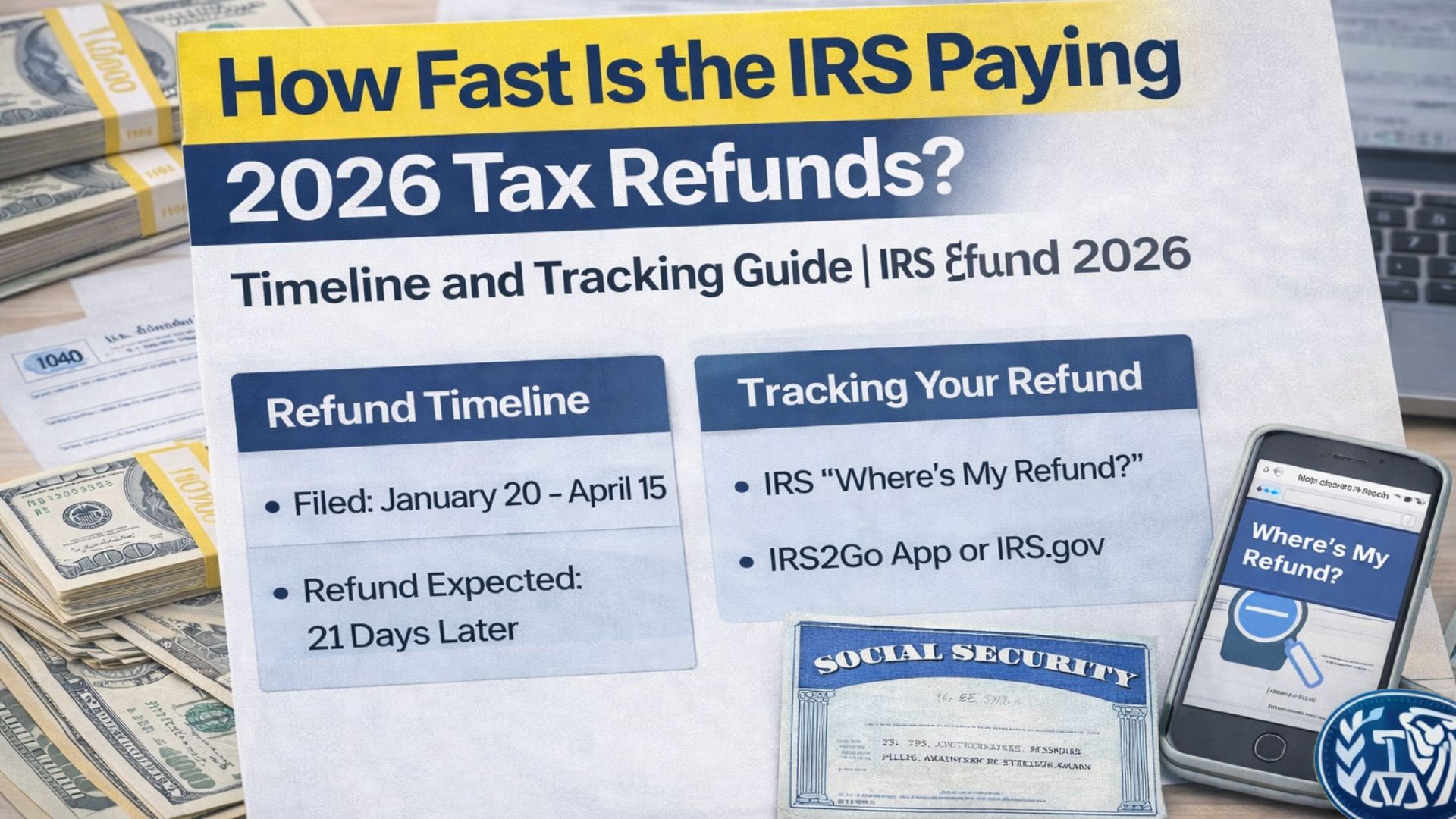
The Internal Revenue Service has confirmed that most electronically filed tax returns with direct deposit are processed within about 21 days after acceptance. It is important to understand that this 21-day period starts only after the return is officially accepted, not when it is first submitted.
For taxpayers whose returns were accepted in late January, refunds may arrive by mid-February. Those accepted in early February could see deposits toward the end of February. These estimates apply mainly to electronic filers who selected direct deposit and whose returns did not require additional review.

Why Direct Deposit Is Faster
Direct deposit continues to be the quickest way to receive a tax refund. Once the IRS marks a refund as sent, most banks credit the funds within one to three business days. This method avoids postal delays and reduces the risk of lost payments.
Paper returns generally take much longer to process because they must be manually opened and entered into the system. If a paper check is requested, printing and mailing time can delay the refund by several additional weeks.
Reasons Some Refunds May Be Delayed
Even though February processing is underway, some returns may take longer than the standard timeframe. Returns that include refundable tax credits may require extra verification. This additional review does not necessarily mean there is a problem, but it can extend the processing time.

Other common causes of delay include incorrect Social Security numbers, mismatched income information, incorrect bank account details, or identity verification requirements. Carefully reviewing all information before filing is one of the best ways to stay within the normal 21-day processing window.
How to Track Your Refund
Taxpayers can monitor their refund using official IRS tracking tools. Electronic filers typically see status updates within 24 hours after acceptance. Mailed returns take longer to appear in the system. Refund tracking usually moves through three stages: received, approved, and sent. After the refund is sent, the bank determines how quickly the funds become available.
What to Expect Next
The confirmed February refund window means many early filers may soon receive their deposits. However, individual timelines depend on filing accuracy, method, and whether additional review is required. Staying informed through official IRS sources is the safest way to track progress and avoid confusion.

Disclaimer:
This article is for informational purposes only and reflects general IRS processing timelines. Refund dates and amounts vary based on individual circumstances and official IRS policies. Always verify your personal refund details through official IRS channels.